For decades, conversations about pay equity have focused on the labour market we can measure: jobs, salaries, participation rates, and the gender pay gap as seen through formal employment.
But what about the labour that doesn’t show up in payroll systems at all?
Across India, a striking social experiment is underway that could reshape global thinking about how we value work, care, and economic contribution.
The unpaid economy has always been huge. We’re just not used to paying for it
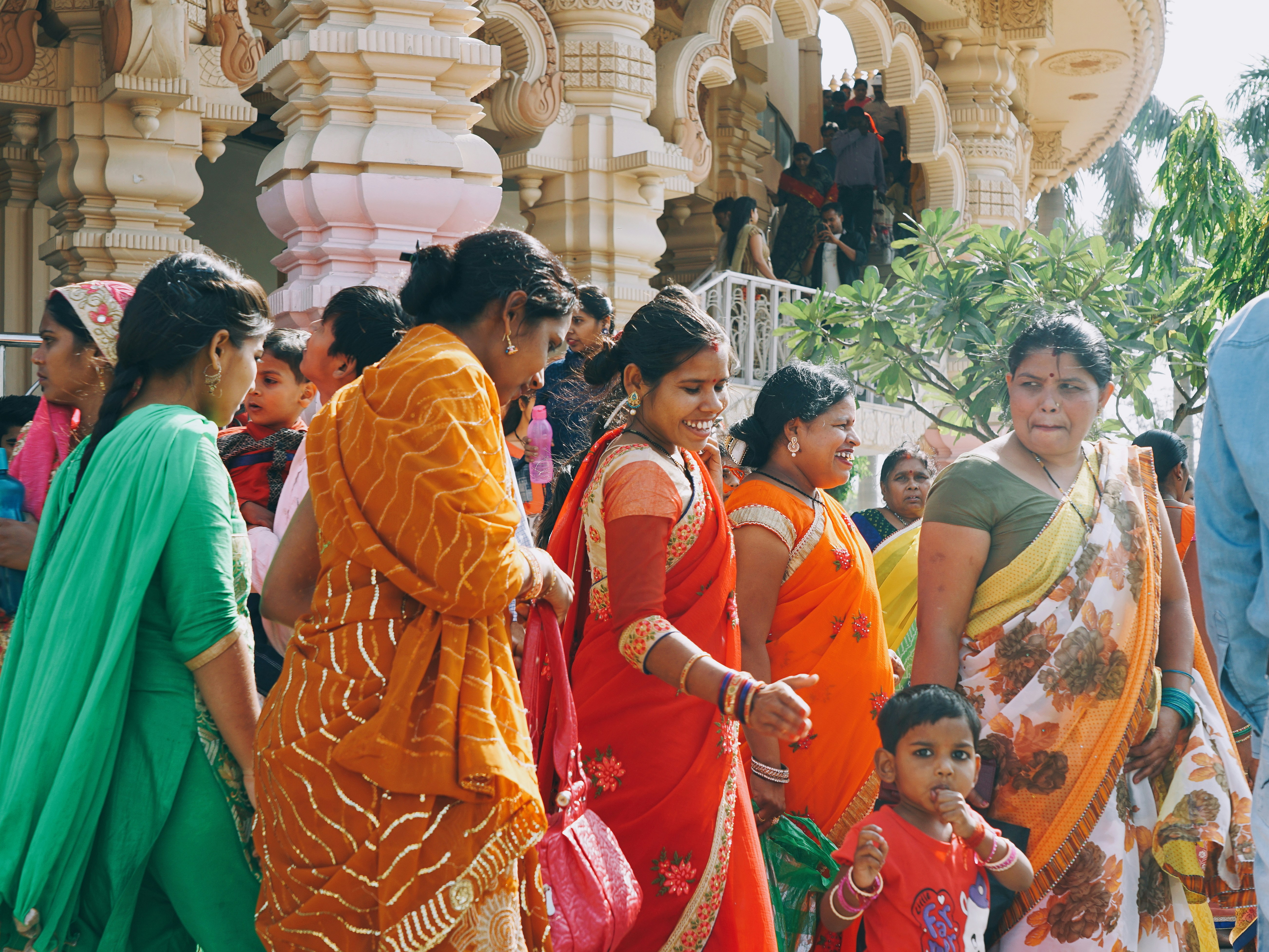
A staggering share of India’s economy is built on unpaid domestic and care work carried out overwhelmingly by women. In 2024, Indian women spent nearly five hours a day on unpaid household work, 7.6 times more than men.
This invisible labour:
enables others in the household to work
keeps children in school
supports the elderly
reduces state pressure on welfare systems
And yet, it has never been valued in financial terms.
That is now starting to shift.
118 million women are receiving direct government cash transfers
Twelve Indian states have rolled out unconditional monthly cash transfers to adult women, typically 1,000 to 2,500 rupees (US$12 to US$30). There are no conditions attached. The money arrives whether or not a child attends school or a household falls below the poverty line.
The message is simple: women’s domestic labour has value and deserves recognition.
The scale is unprecedented. This is now one of the largest social policy experiments in the world, with:
118 million women receiving regular payments
300 million women holding bank accounts for direct transfer
states spending approximately US$18bn in total
Does it work? The evidence is emerging and it’s not what critics expected
Contrary to fears that cash transfers might discourage women from seeking paid jobs, early studies show:
More than 90 percent of women control how the money is spent
Spending is focused on food, education, medicine, and emergencies
The payments increase autonomy, not dependency
Women gain more say in household decisions
Transfers do not reduce labour force participation
They do not entrench gender roles
They do not reduce unpaid workload either
The amounts are small, usually 5 to 12 percent of household income, but the effect is consistent: security, agency, dignity.
The most radical part? No conditions
Countries like Mexico and Brazil have long offered conditional cash transfers. India is opting for something different and more progressive. The money arrives regardless of behaviour - and that matters.
It reframes the payment not as charity, but as acknowledgement.
Some states explicitly label the transfers as recognising women’s unpaid labour, a step toward something feminist economists have argued for decades.
Why this matters for the future of pay transparency
Globally, we are widening the lens of how pay is understood.
New York is mandating annual pay reporting.
Europe is rolling out the Pay Transparency Directive.
Australia is embedding gender equity reporting frameworks.
India is asking a different question: what if the problem isn’t just gender pay gaps within paid work, but the massive amount of unpaid labour outside it?
This experiment taps directly into the future direction of pay equity:
Expanding what counts as work
Recognising care as economic value
Strengthening financial autonomy for women
Shifting from market pay alone to societal contribution
It’s early days. The payments are not a fix for structural gender inequity. They do not replace the need for formal jobs, skills development, or safety nets.
But these transfers are a signal, one watched closely by economists, gender equity scholars, and policy makers around the world.
A new thread in the global pay equity conversation
While countries refine reporting frameworks and transparency rules, India is tackling the problem from another angle: valuing work that has never been paid but has always been essential.
It raises a question every labour market will eventually need to confront: do our pay systems reflect the real value women contribute to society?
India’s quiet experiment shows that change is underway, even if there is still a long way to go.